Shipped product
MindMitra
Conceived, designed and built a working NCERT Psychology learning platform. Not a prototype or a school submission — software that other students use. Detailed below.
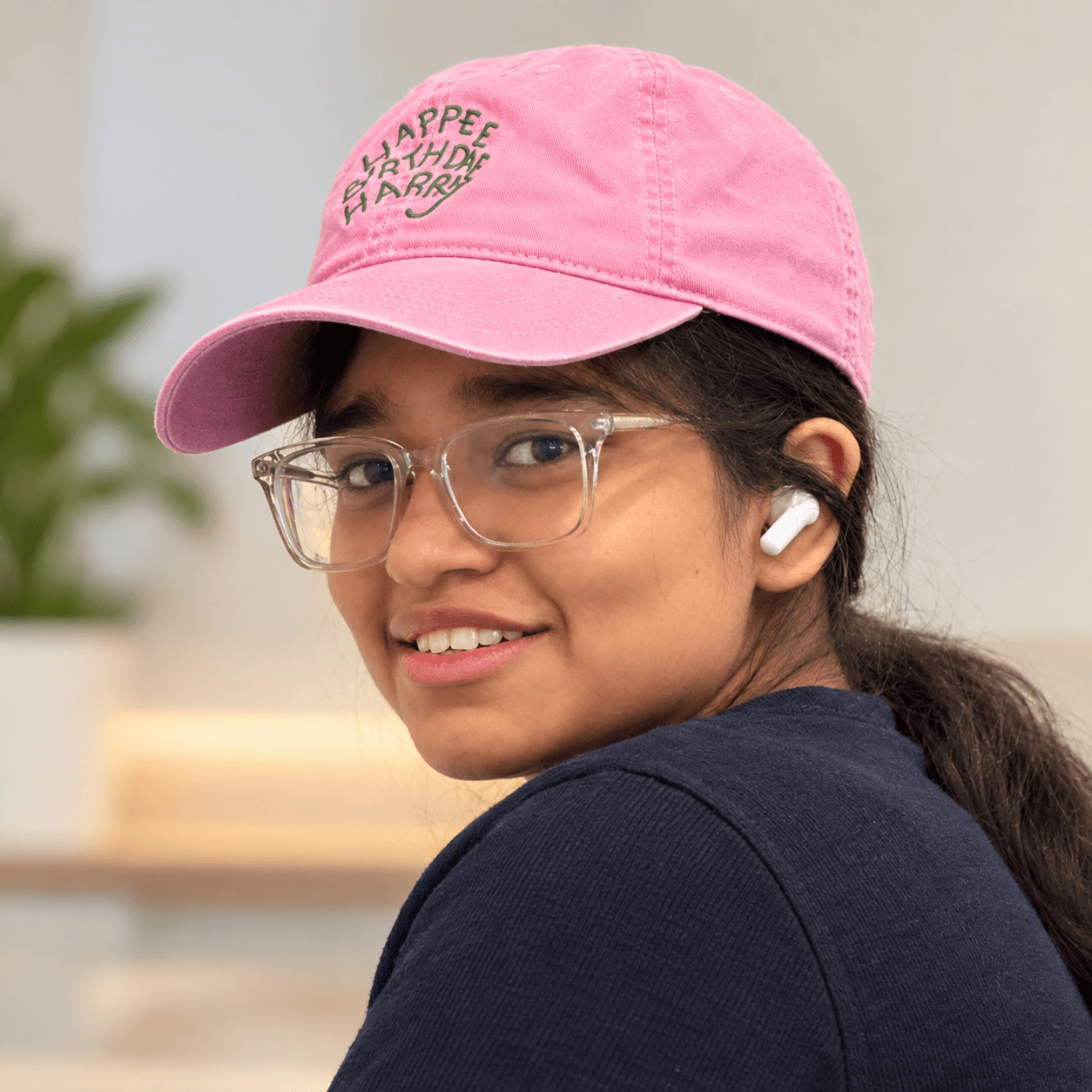
Profile for consultation
A Class XII humanities student who could recite her psychology textbook without understanding it — and built the tutor that fixed that.
In Class XII, Pratiksha worked out something uncomfortable about her own studying: she could reproduce the psychology chapter and still not explain it. She had memorised the order of the headings, not the ideas underneath them. Most students recognise that feeling and revise harder. She treated it as a design problem.
MindMitra is what came out of it — a working learning platform for NCERT Psychology whose AI tutor is built to answer only from the prescribed textbook instead of improvising. She scoped it, designed it, built it, and tested it in that order: against her own revision first, then with classmates, then with students she had never met.
That is an unusual thing for a seventeen-year-old humanities student to have finished, and it is not a one-off. The same instinct shows up in a state-level painting practice, in a subject combination that keeps mathematics beside psychology, and in a summer spent inside a technology company's infrastructure team. The through-line is not an interest in computers. It is a long-running interest in how people think, and a habit of building something once she understands.
Current Class XII subject combination, Mother's Public School, Bhubaneswar.
The combination rewards a second look. Keeping mathematics inside a humanities stream is a choice rather than a requirement, and setting it next to economics and political science supplies the quantitative and structural tools that psychology on its own does not. This is the subject list of someone who wants to study people without giving up rigour.
Self-directed work and industry exposure outside the classroom syllabus.
Shipped product
Conceived, designed and built a working NCERT Psychology learning platform. Not a prototype or a school submission — software that other students use. Detailed below.
Industry experience
A summer in IT Infrastructure and Computer Information Systems at a hospitality-technology company — her first look at how one well-built system serves thousands of people who never see the machinery.
Recognition
Qualified through to state level in painting: an externally judged standard, not a school-internal prize.
Studio practice
A making habit that runs from canvases to bracelets to app screens — the same eye at three very different scales.
The principal project
In one line it sounds modest: a psychology study app. In practice it is a multi-role web platform with a retrieval system underneath it, and the decisions inside it are more interesting than the summary.
The tutor is built to refuse. Ask it something outside the verified source material and it says so, rather than inventing a plausible answer — a restraint most people building on language models decline to impose on themselves. Because the subject is psychology, she wrote in a second limit: if a student raises self-harm, abuse or a crisis, the tutor stops teaching and points them to a trusted adult or a helpline instead of attempting counsel it is unqualified to give.
Both choices make the product weaker in a demo and more trustworthy in a student's hands. That trade is the hardest part of this project to teach.
Would this actually help a friend who was stuck, or is it just another feature?
Keeps mathematics and economics inside a humanities stream — a combination most students drop rather than choose.
A competition-tested visual practice that shapes how she designs interfaces, not a hobby filed away from them.
Found the problem in her own studying and answered it with software. Nobody assigned it or supervised it.
Studies psychology, then tests it: on her own revision first, then classmates, then students she had never met.
One thread runs through all of it. Psychology gives her the question — why people do what they do. Political science and economics show her the systems that shape the answer. Mathematics keeps her honest about it. Art is where she thinks without words. Software is how she makes any of it useful to somebody else.
What she wants next is an undergraduate education that does not ask her to amputate one of those: somewhere interdisciplinary enough that a psychology student is expected to build things, and a studio practice counts as intellectual work rather than a distraction from it.
She is working toward a 2027 intake and reading widely across institutions in the United States and Europe instead of narrowing early. The shortlist is deliberately still open — this is a decision worth getting right rather than getting over with. Where a profile like this one fits best is exactly the conversation she is looking for.
MindMitra is live and usable. It makes the case for this profile better than a summary of it can.